2026 | Student

Landscape for Dérive
Entrant
Rice University
Category
Landscape Design - Industrial Landscape
Client's Name
Country / Region
United States
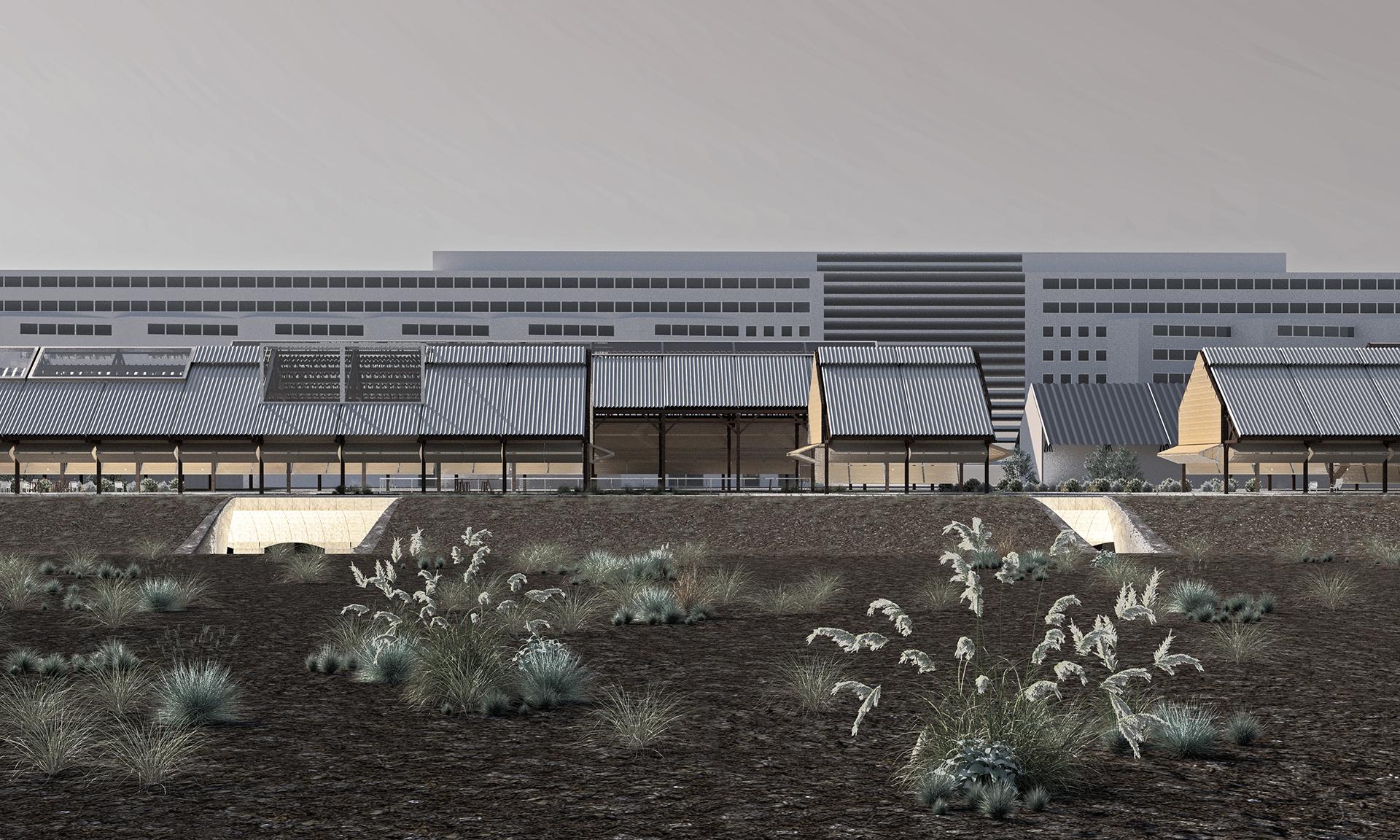
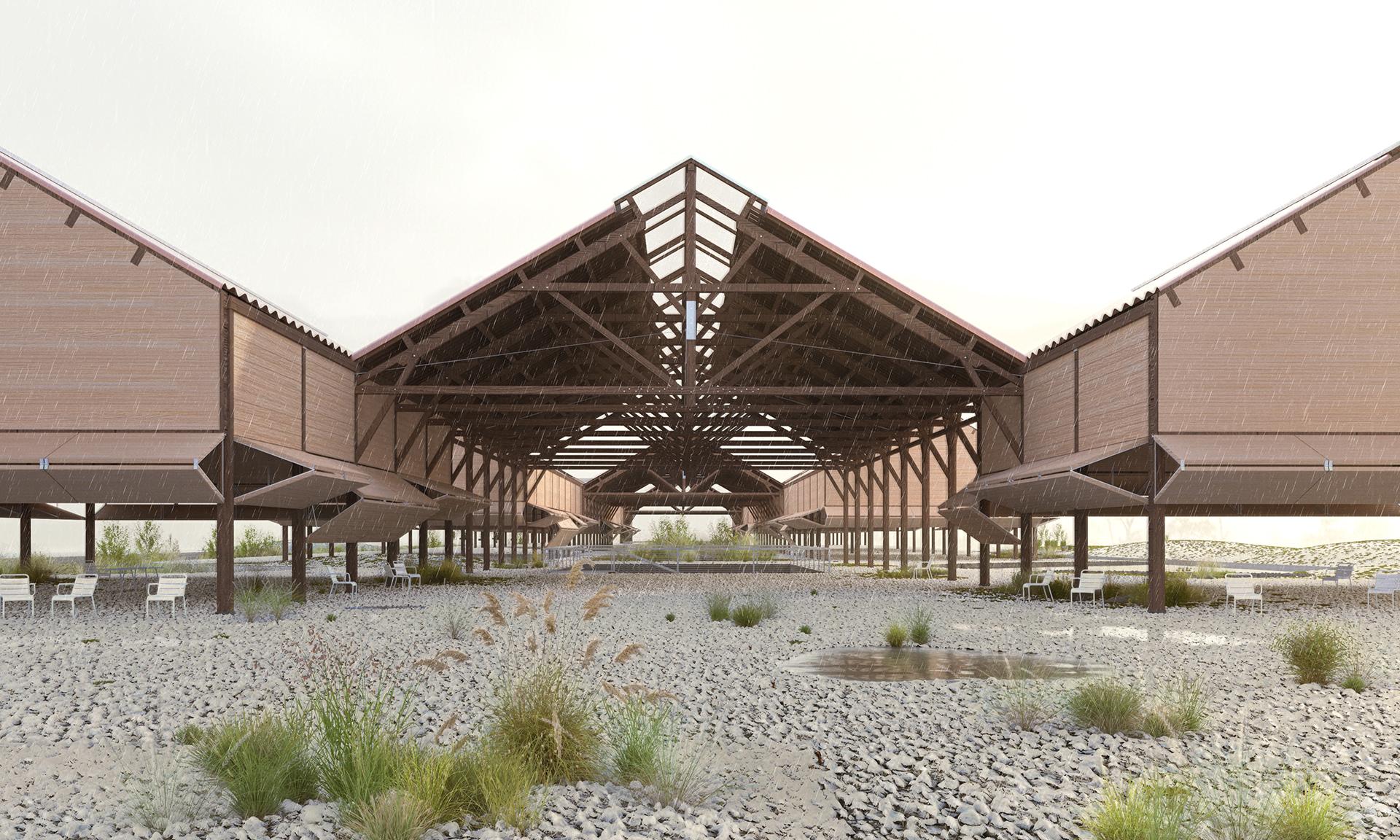
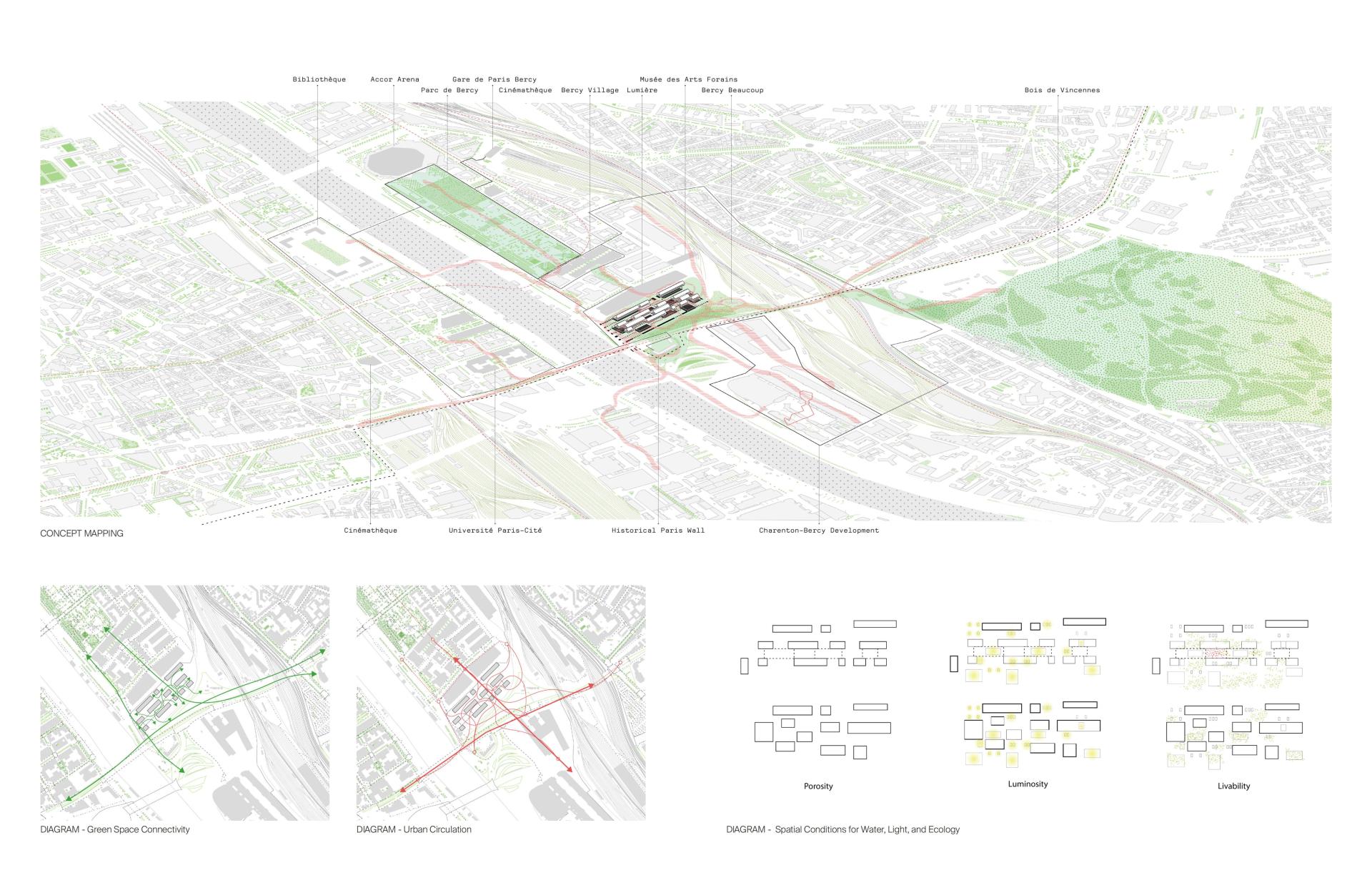
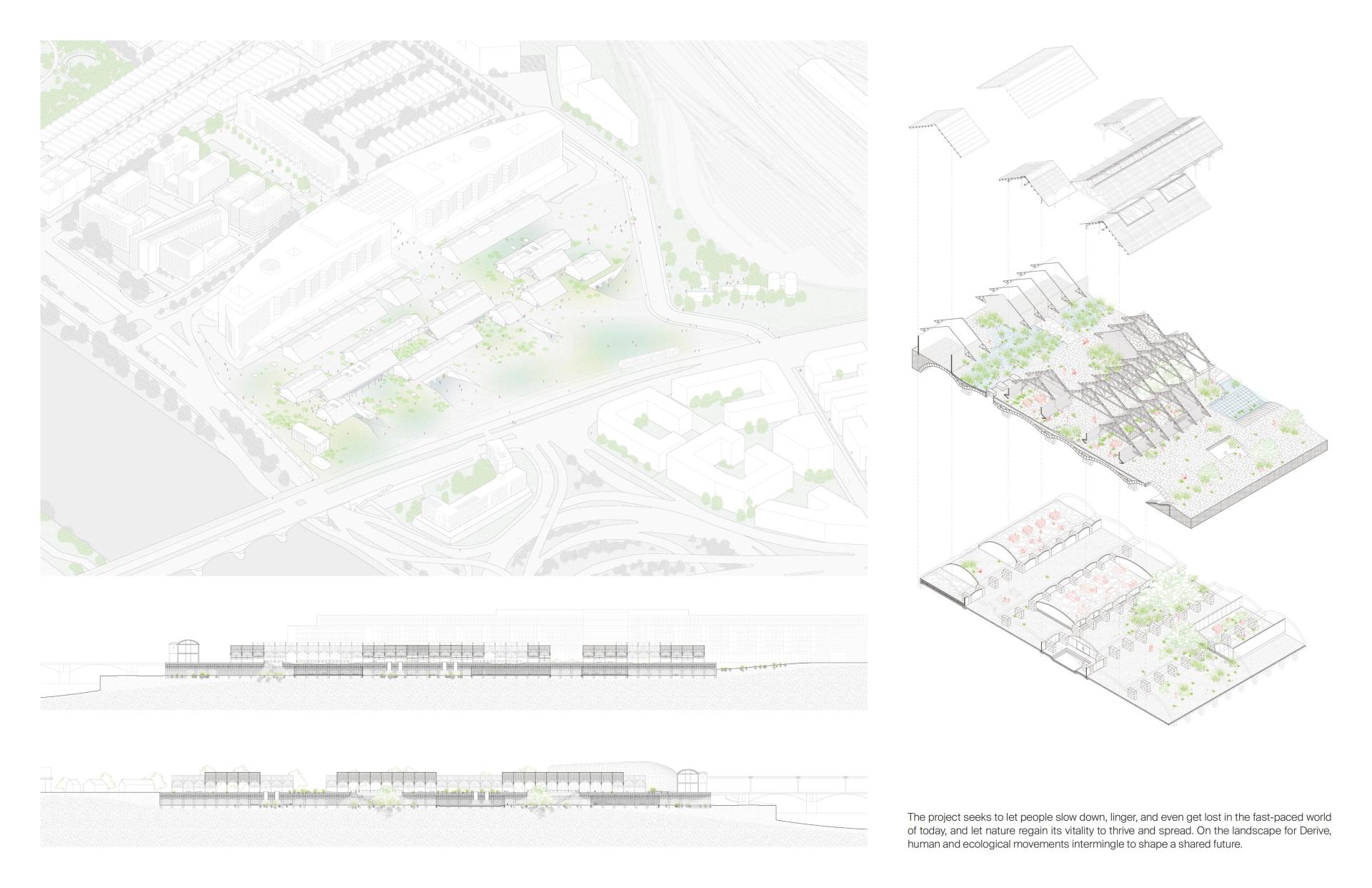
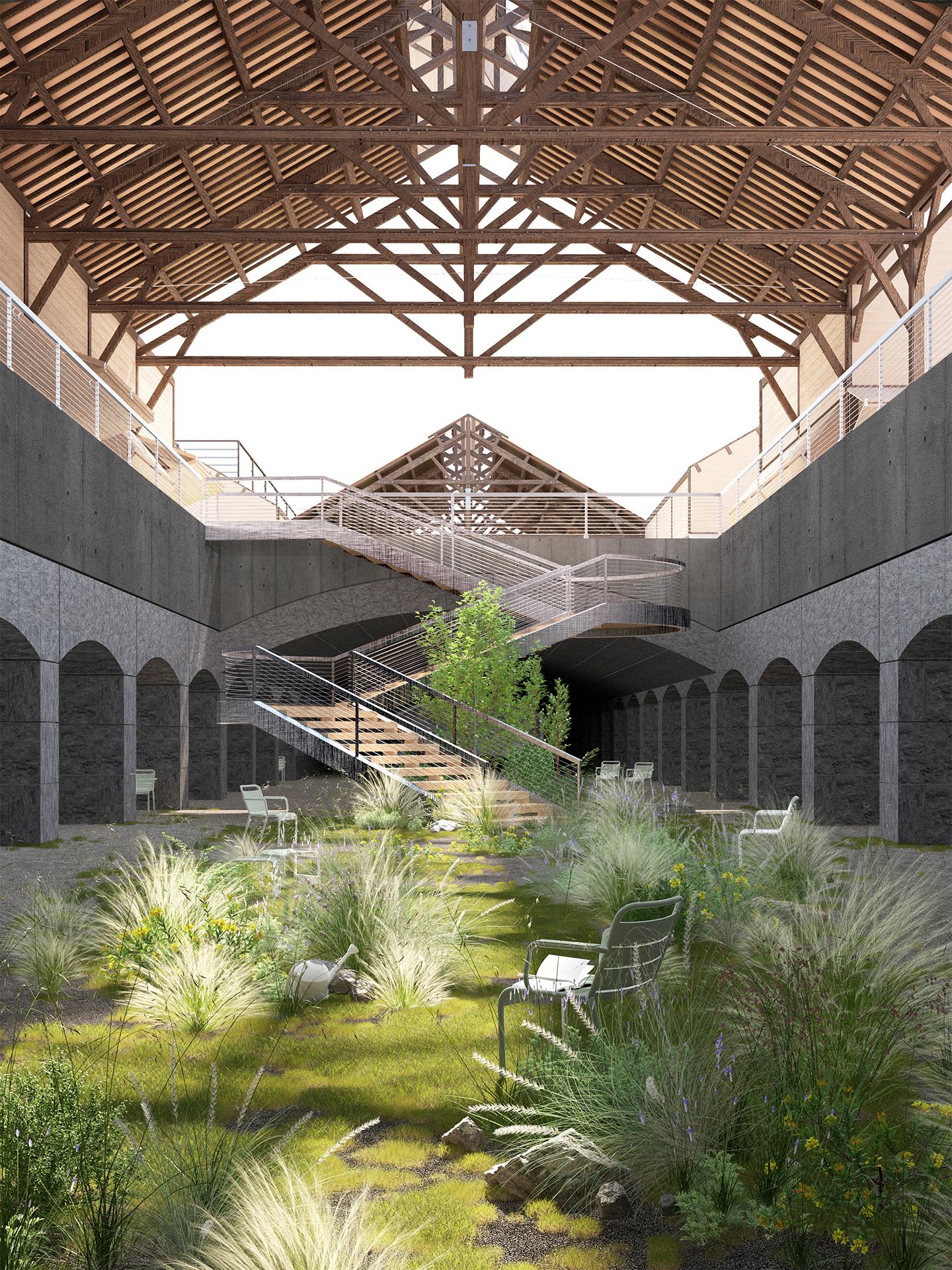
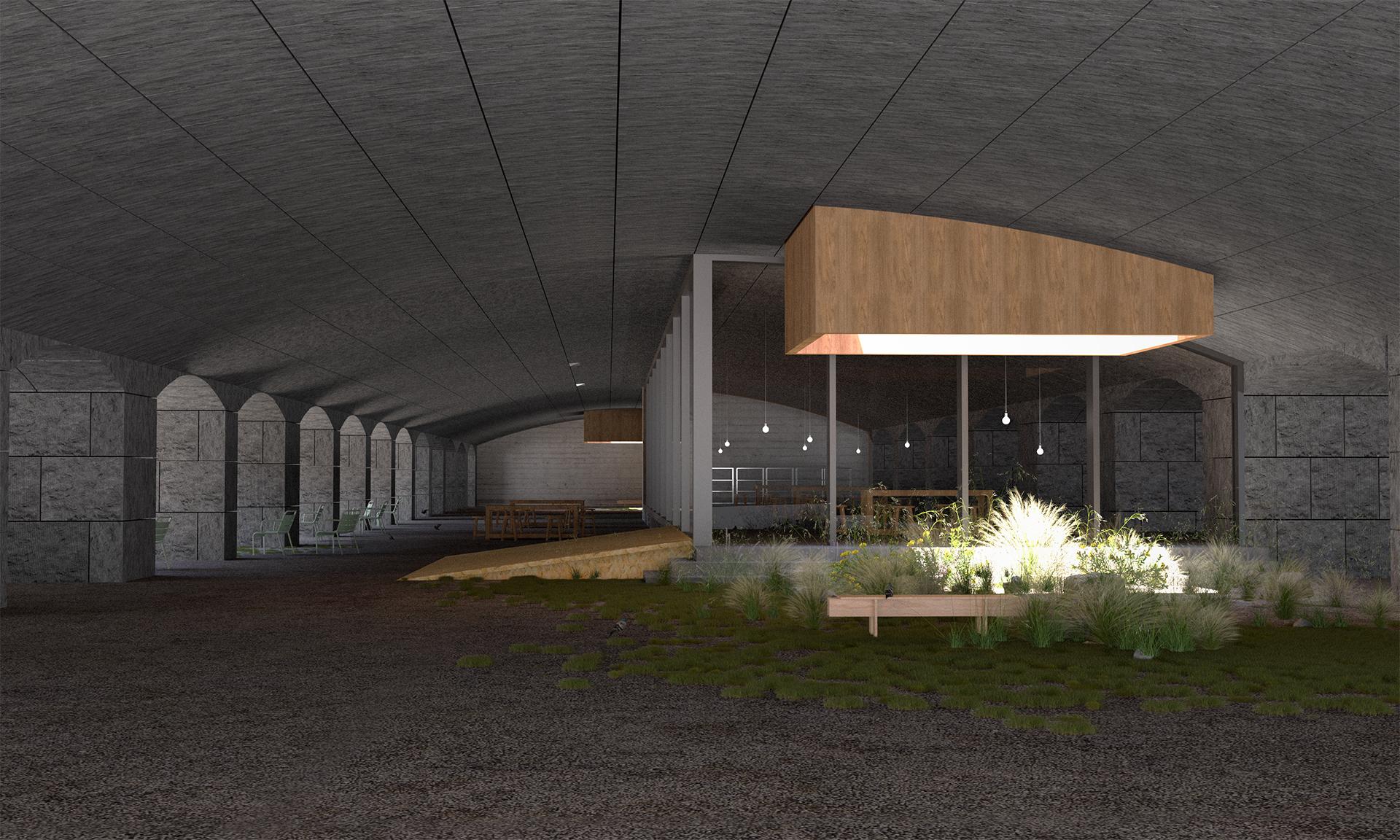
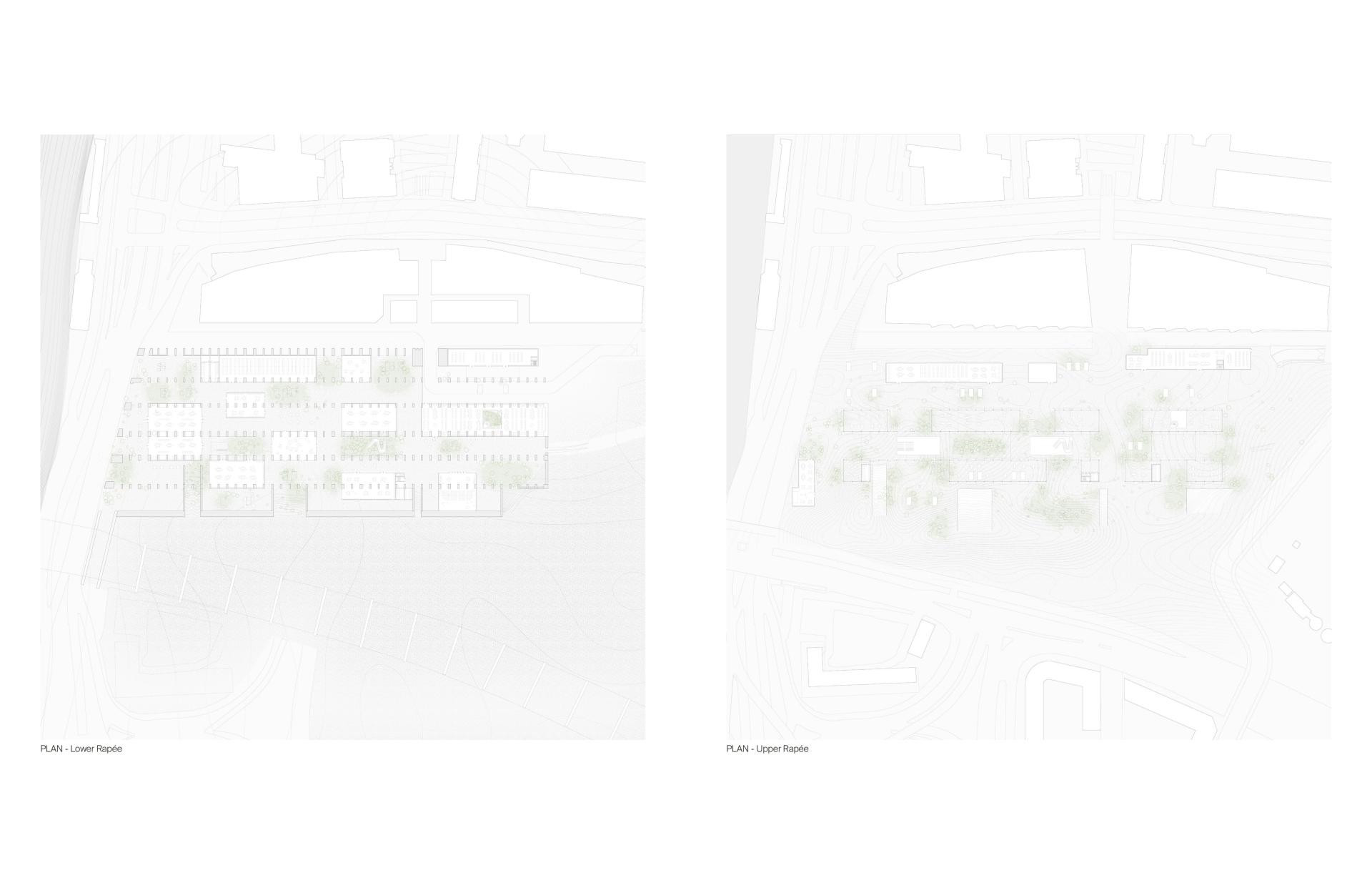
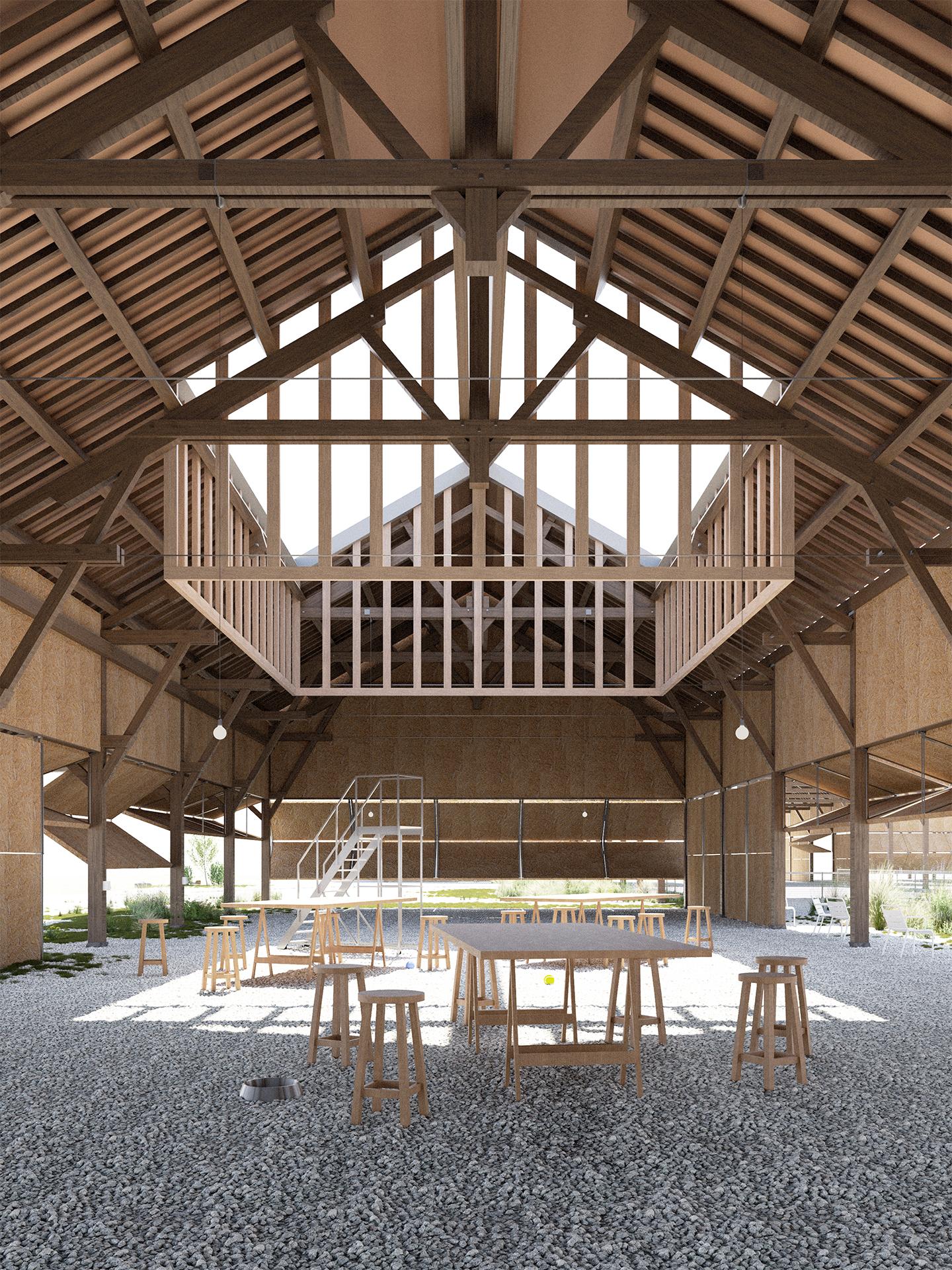
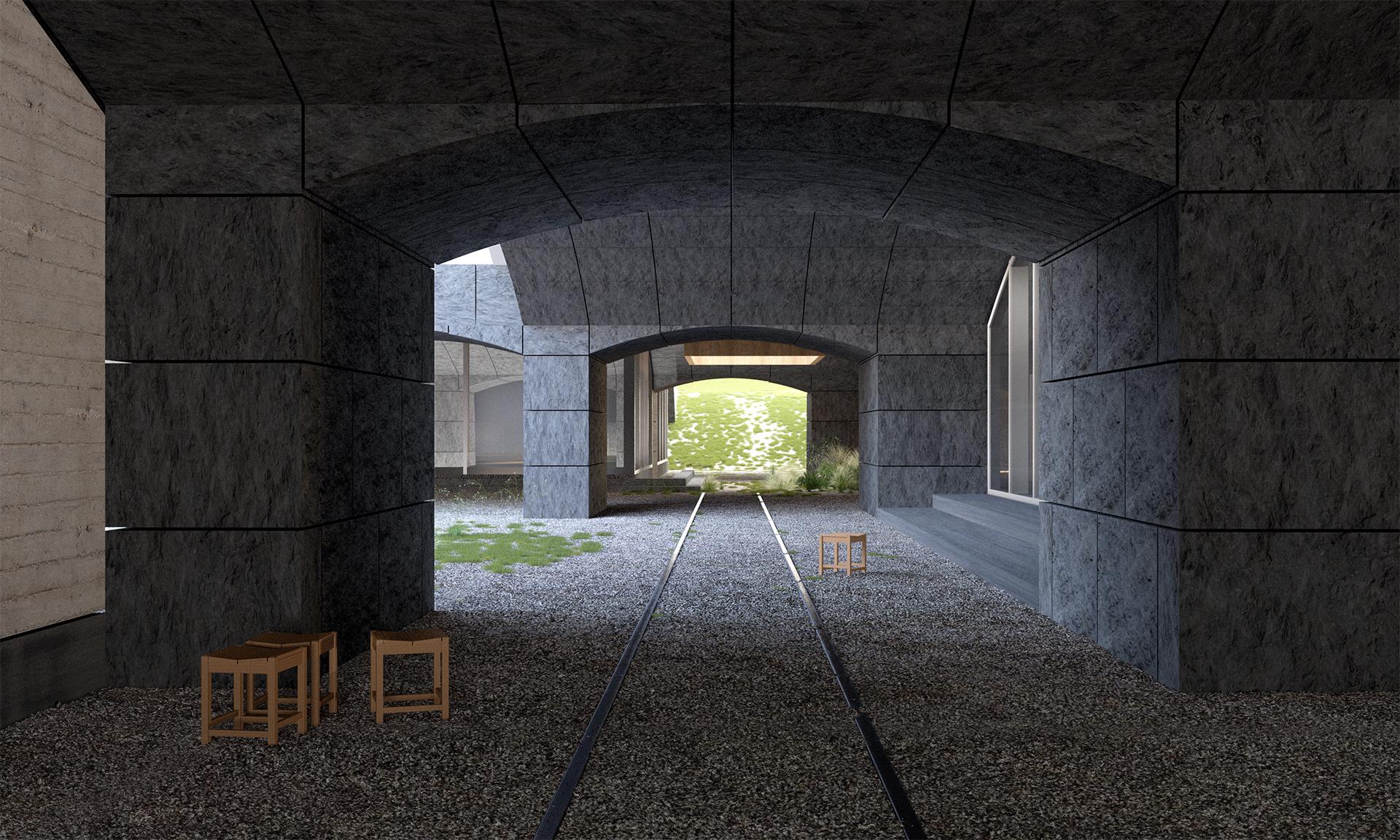
This project reimagines an abandoned industrial site at the city’s former edge as a post-industrial open landscape of remediation and reuse, transforming a derelict terrain into a collective field where social and ecological processes unfold together. Rather than imposing a fixed program or architectural object, the design operates through green infrastructure to guide movement, connectivity, and ecological regeneration across an open and adaptable ground.
Challenging functionalist planning, the project proposes a decentralized constellation of flexible spaces embedded within a permeable landscape. Drawing on the concept of dérive, movement is not prescribed but emerges through curiosity, chance encounters, and environmental cues. Human circulation follows openings, clearings, and gathering spaces, while ecological processes respond to light, air, water, and soil conditions. In this way, human and non-human trajectories continuously intersect, restoring agency to both local communities and natural systems.
Aligned with the 2024 Plan Local d’Urbanisme bioclimatique (PLUb), the project prioritizes adaptive reuse of existing industrial structures and materials, treating remnants as catalysts for spatial and ecological transformation rather than obstacles to be erased. The removal of impermeable surfaces allows rainwater to infiltrate the ground, supporting groundwater recharge, improving microclimatic conditions, and enhancing long-term environmental resilience.
Situated in Bercy, the project frames the post-industrial landscape as an opportunity to reconcile Paris’ industrial past with contemporary social and ecological needs. Expanding Debord’s notion of dérive to include ecological actors and non-human agencies, the design promotes a dynamic and responsive open space that evolves over time. Through this approach, the project repositions the industrial site as a living landscape—one that supports collective use, ecological repair, and adaptive forms of inhabitation in response to a changing climate.

Credits

Entrant
Shenzhen Qianhai Nicemay Medical Beauty Instruments Co., Ltd.
Category
Product Design - Personal Care
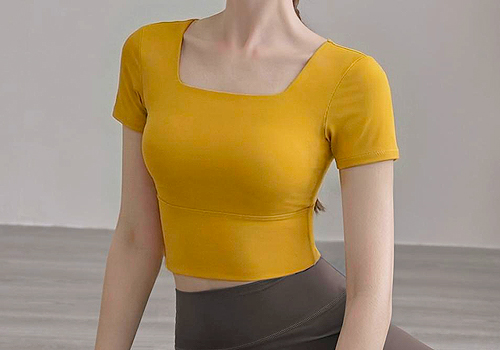
Entrant
epih
Category
Fashion Design - Sportswear
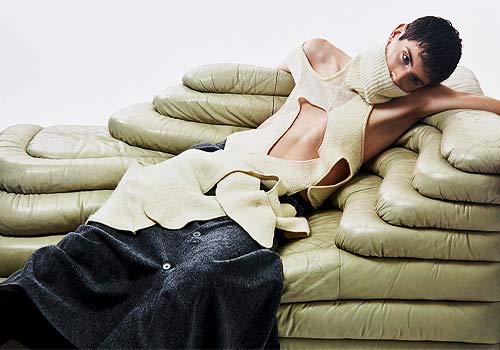
Entrant
Yaqi Zhan
Category
Fashion Design - Prêt-à-porter / Ready-made
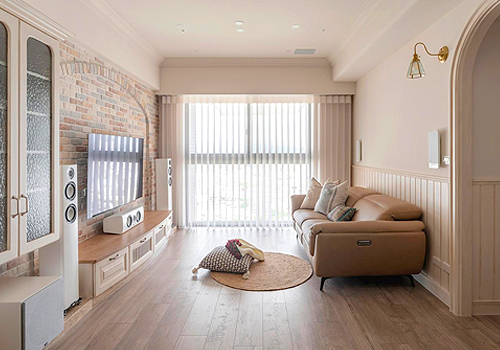
Entrant
Grace House Make
Category
Interior Design - Residential