2026 | Professional

Dock A Co-working Space
Entrant
Beijing Shanfangzhu Art Design Co., Ltd
Category
Interior Design - Office
Client's Name
Beijing Shanfangzhu Art Design Co., Ltd
Country / Region
China
This project is an adaptive reuse of a 1990s port office building located at the core of West Port Garden, Qinhuangdao. As the surrounding port area has transformed from an industrial coal terminal into a cultural and leisure destination, the building remained physically intact yet gradually lost its relevance. Rather than treating it as an obsolete structure, the renovation positions the interior as a medium to reconnect collective memory with contemporary working life.
The design approach rejects superficial renewal and instead focuses on continuity. Key interior spatial sequences—including the entrance hall, staircases, corridors, and primary room layouts—were preserved to maintain the original logic of movement and perception. These spaces carry the building’s historical rhythm and form the foundation for the new interior narrative.
A strategy of “selection and reorganization” guided the interior intervention. Architectural elements bearing traces of time—such as wooden window frames, exposed concrete surfaces, and worn handrails—were carefully restored and reintegrated into the new office environment. Rather than concealing imperfections, the design allows material aging and patina to remain visible, transforming them into carriers of memory and identity.
New interior elements were introduced with restraint. Contemporary materials and furnishings adopt a clear and understated language, deliberately contrasting with the retained historical components without overpowering them. This controlled coexistence enables users to clearly perceive what belongs to the past and what represents the present, allowing both to remain legible within the same space.
The result is not simply a functional office renovation, but an interior environment where daily work unfolds within a layered temporal context. History is no longer a background reference, but a tangible presence—experienced through movement, material, and light. The project demonstrates how interior renovation can extend the life of an existing building while preserving its cultural significance, offering a sustainable and meaningful model for adaptive reuse.


Credits
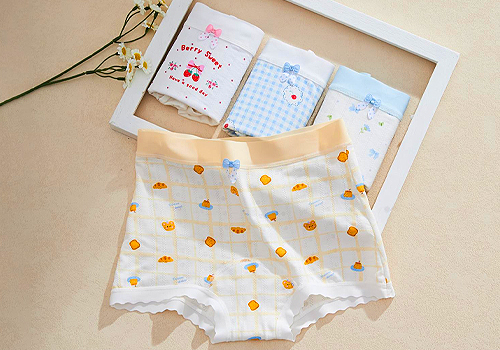
Entrant
Puning Baolezan Clothing Co., Ltd.
Category
Product Design - Baby, Kids & Children Products
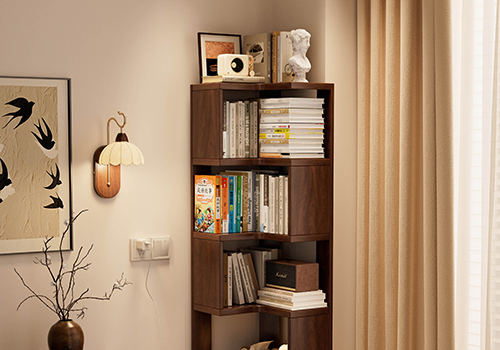
Entrant
Longquan Ruiju Home Products Co., LTD
Category
Product Design - Furniture

Entrant
SHANGHAI BUND DE ROCKEFELLER GROUP MASTER DEVELOPMENT CO.,LTD
Category
Interior Design - Renovation

Entrant
HAI YAN INTERIOR DESIGN
Category
Interior Design - Residential