2026 | Professional

Chang Gung University: Boshuli Dormitory Commons
Entrant
ICA Architecture + Interior Design
Category
Interior Design - Renovation
Client's Name
Chang Gung University
Country / Region
Taiwan
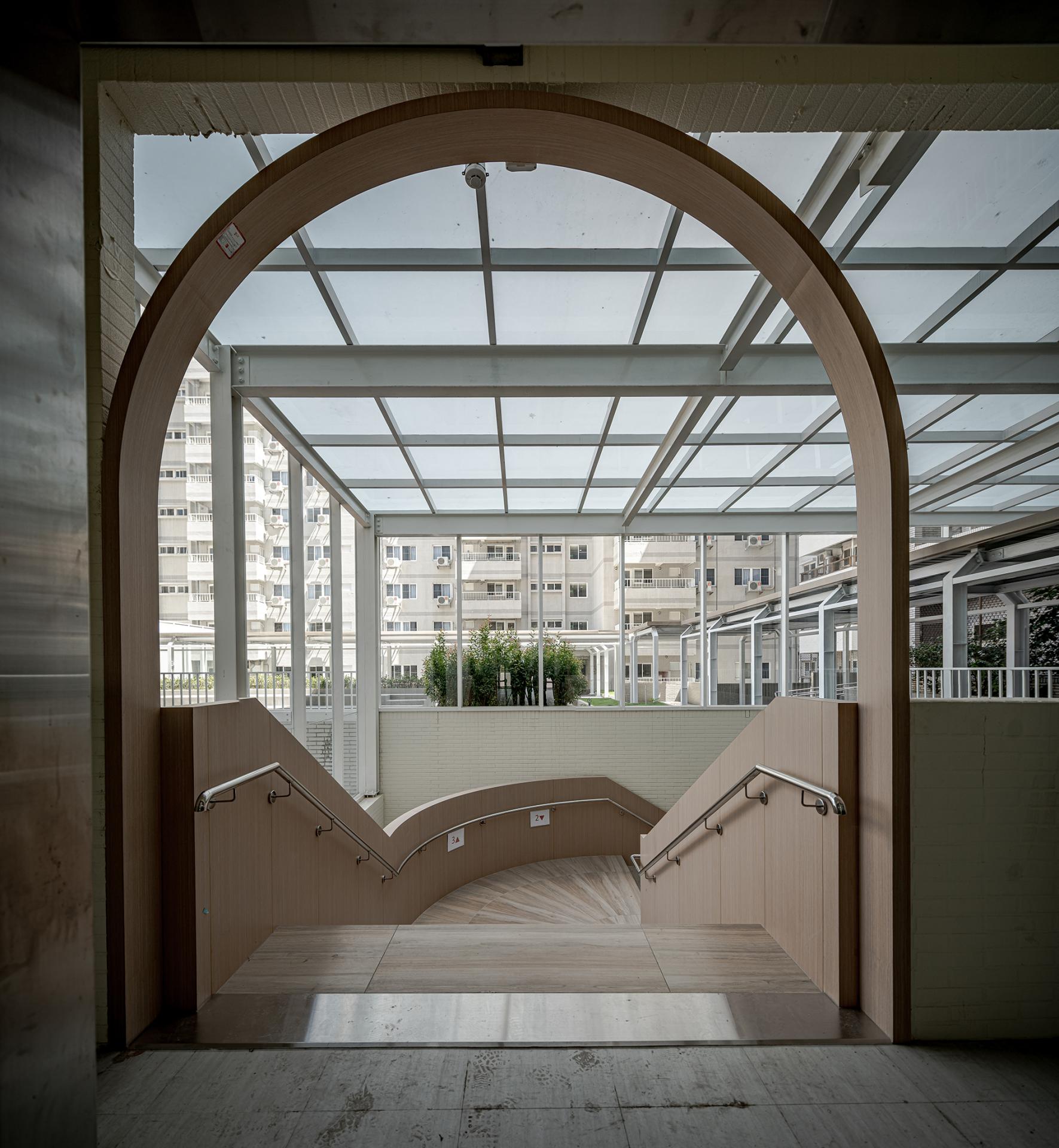
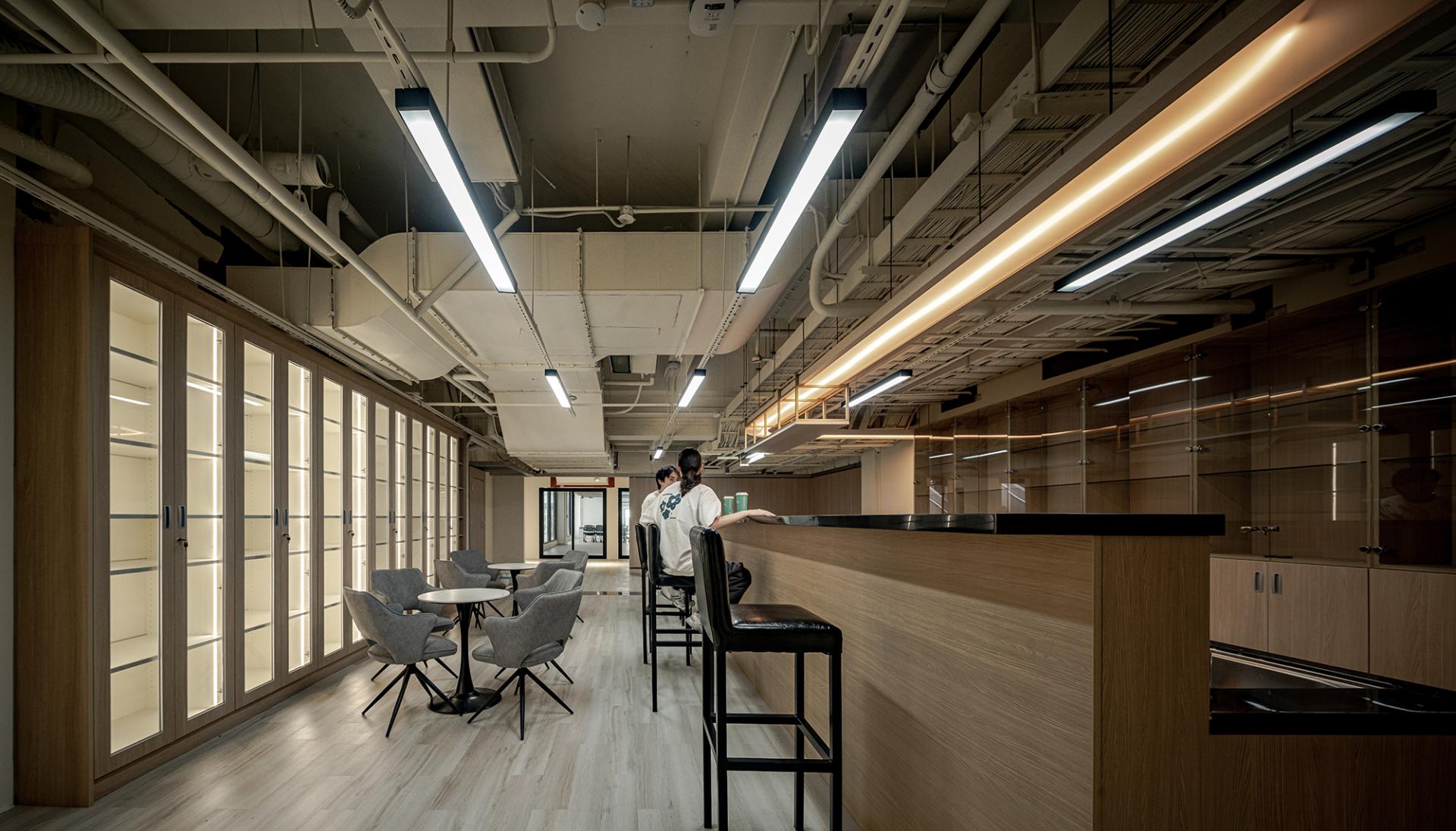
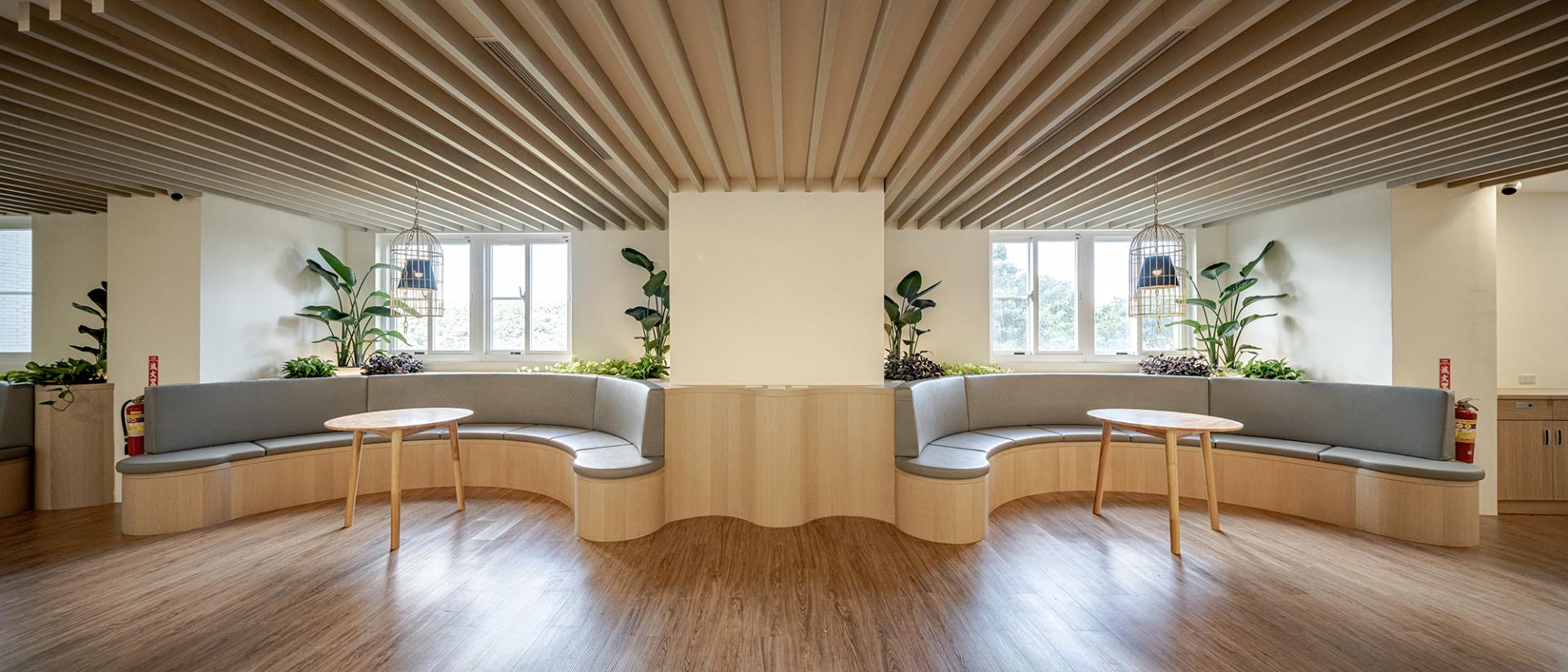
Boshuli Dormitory Commons reimagines the public spaces of Chang Gung University’s dormitories as an integrated environment for living, learning, and community. The name “Boshuli” derives from three Chinese characters—Bo (broad learning), Shu (shared living), and Li (virtuous community)—symbolizing knowledge, interaction, and harmony. Through improved circulation and upgraded facilities, the design introduces modular learning pods, social lounges, and landscaped terraces, fostering collaborative study, shared experiences, and holistic student growth within a vibrant campus commons.
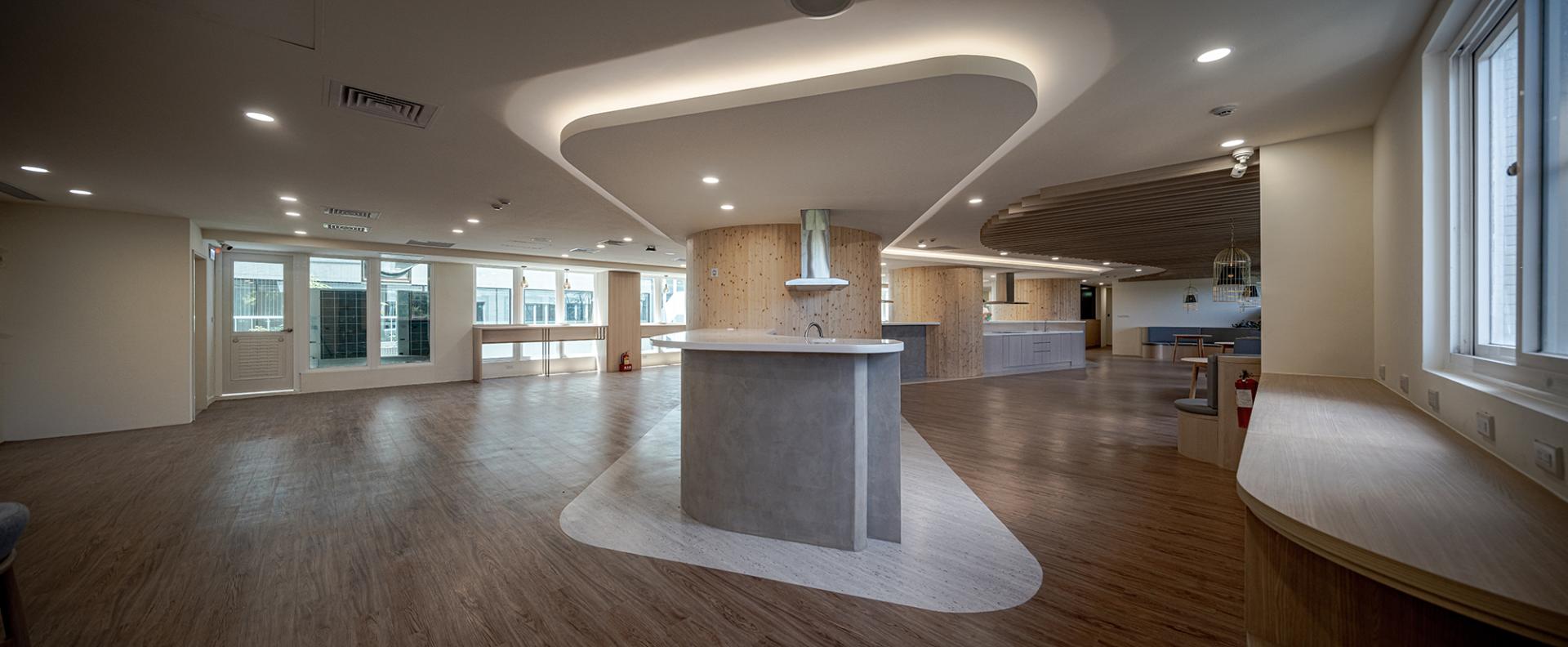
Anchored in brightness, openness, and transparency, the design employs pale wood grain and soft white-gray tones, establishing a refined contemporary aesthetic. Clear circulation connects functional zones, while expansive glazing invites natural light, dissolving interior-exterior boundaries. This spatial fluidity enables learning, respite, and exchange to unfold organically. The outdoor landscape features geometric segmentation, creating layered, multifunctional environments. Light, shadow, and greenery cultivate comfort and visual delight, manifesting an educational philosophy rooted in openness, inclusivity, and genuine connection.
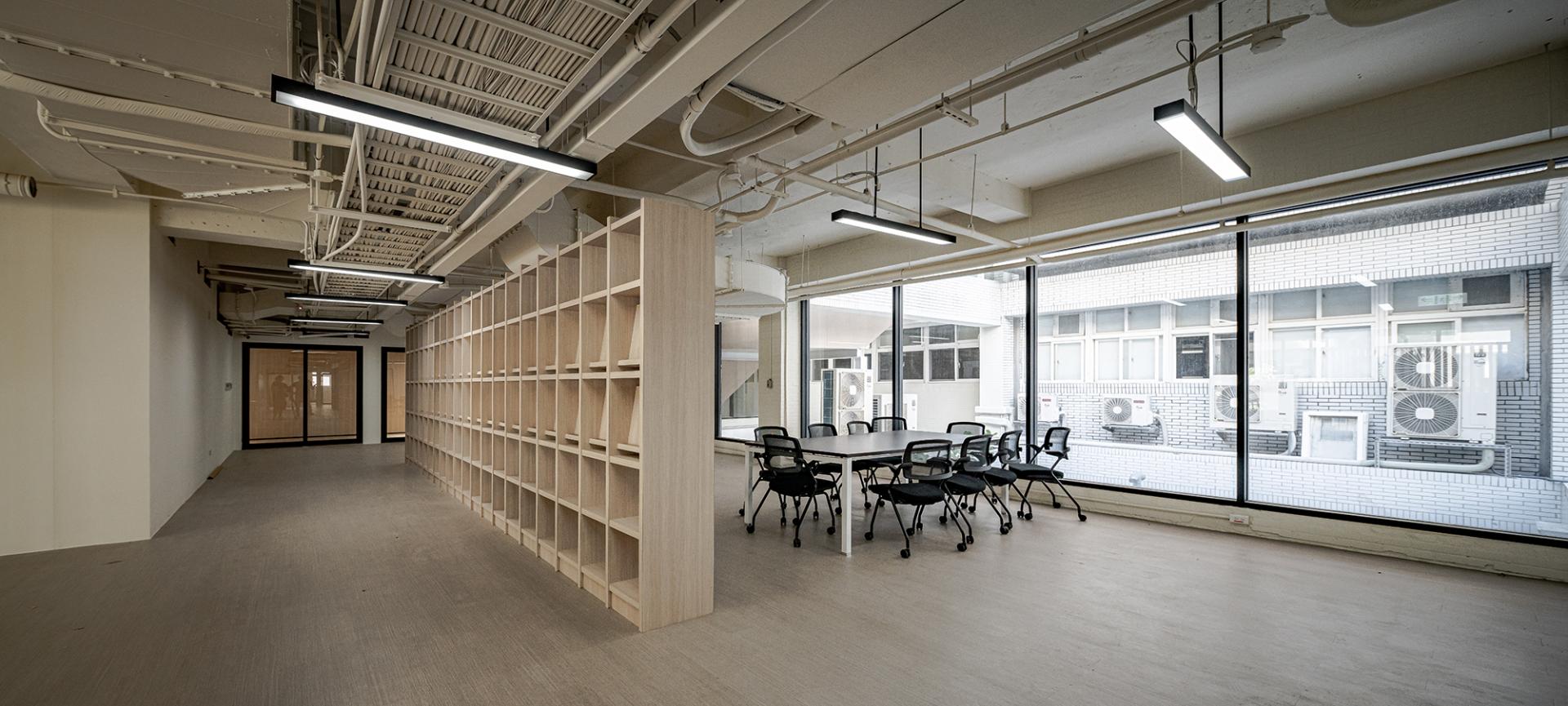
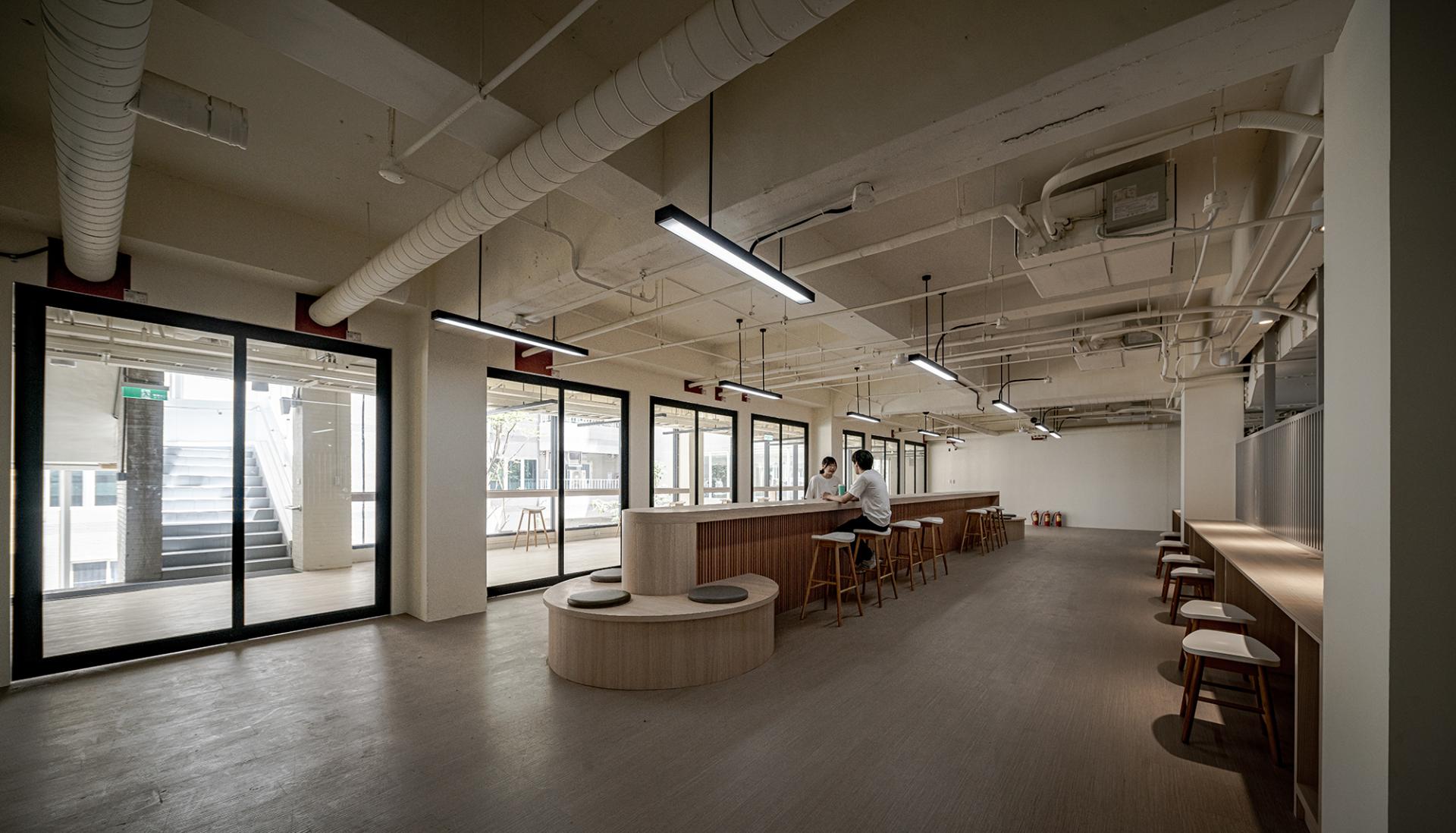
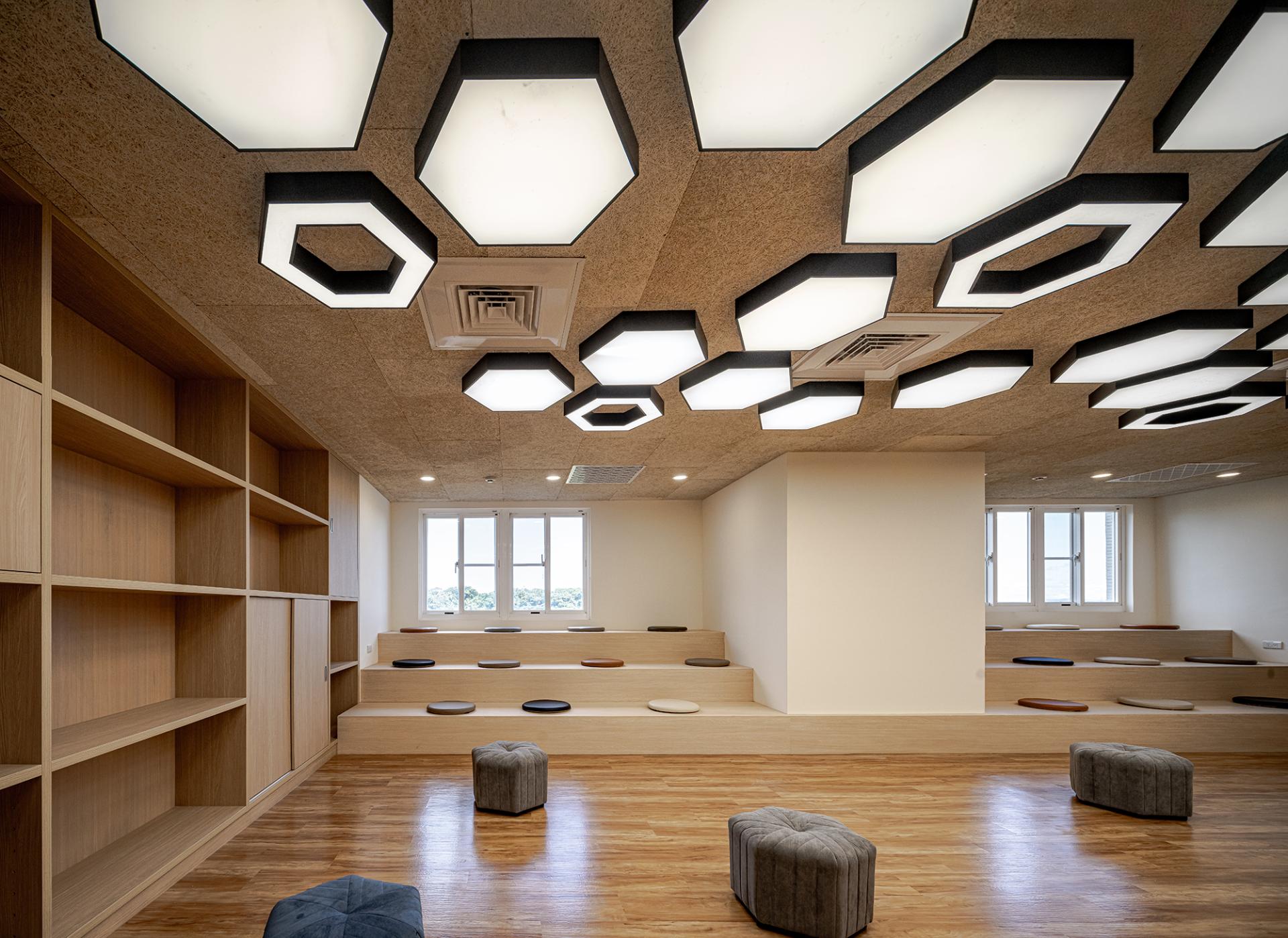
Programmatic offerings include exchange centers, learning pods, culinary studios, fitness facilities, and yoga spaces, addressing diverse student needs. Unified floor planning establishes clear circulation and concentrated functions enabling intuitive navigation. Adaptable furnishings enhance efficiency, while energy-conscious systems balance functionality with comfort. Collectively, these interventions elevate dormitory quality, cultivating a holistic platform where academic growth and daily living flourish in tandem.
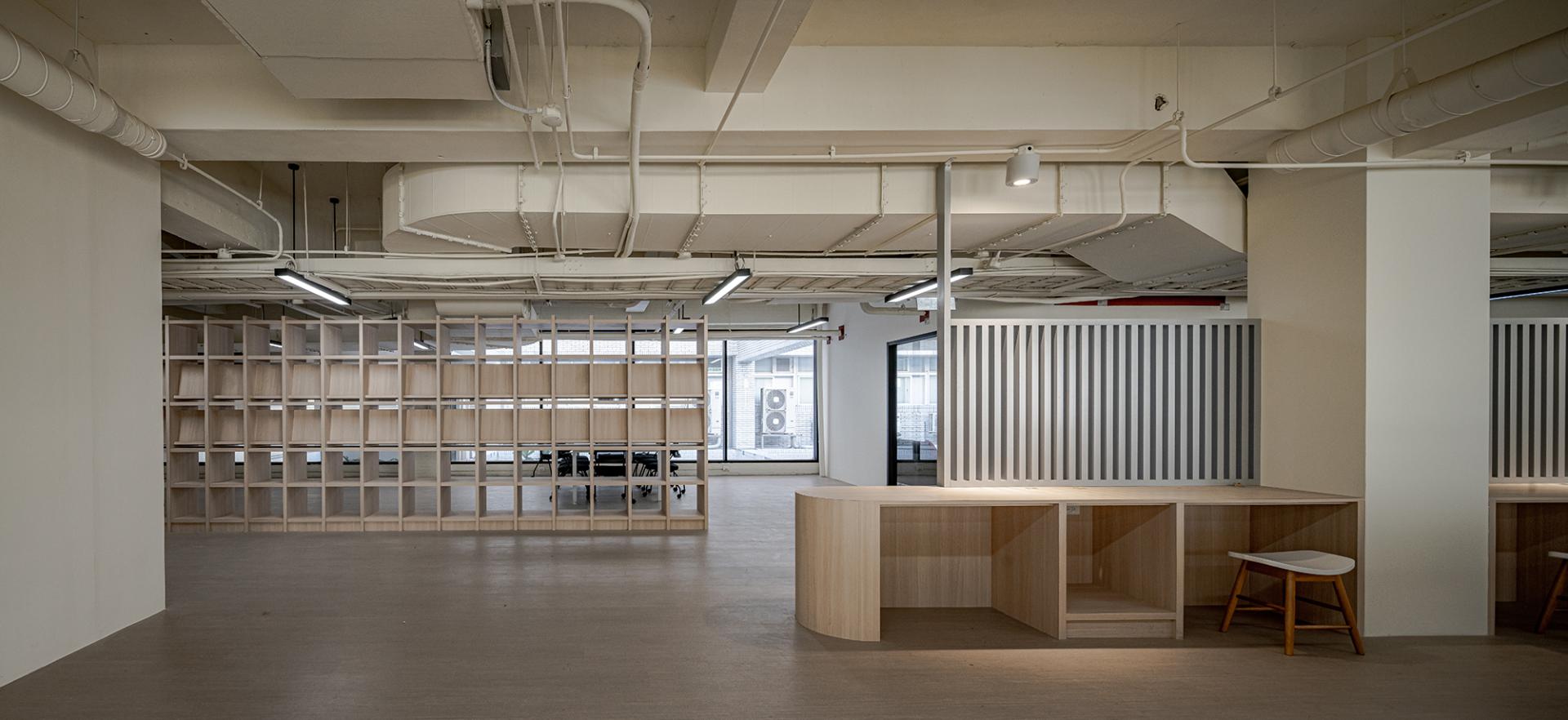
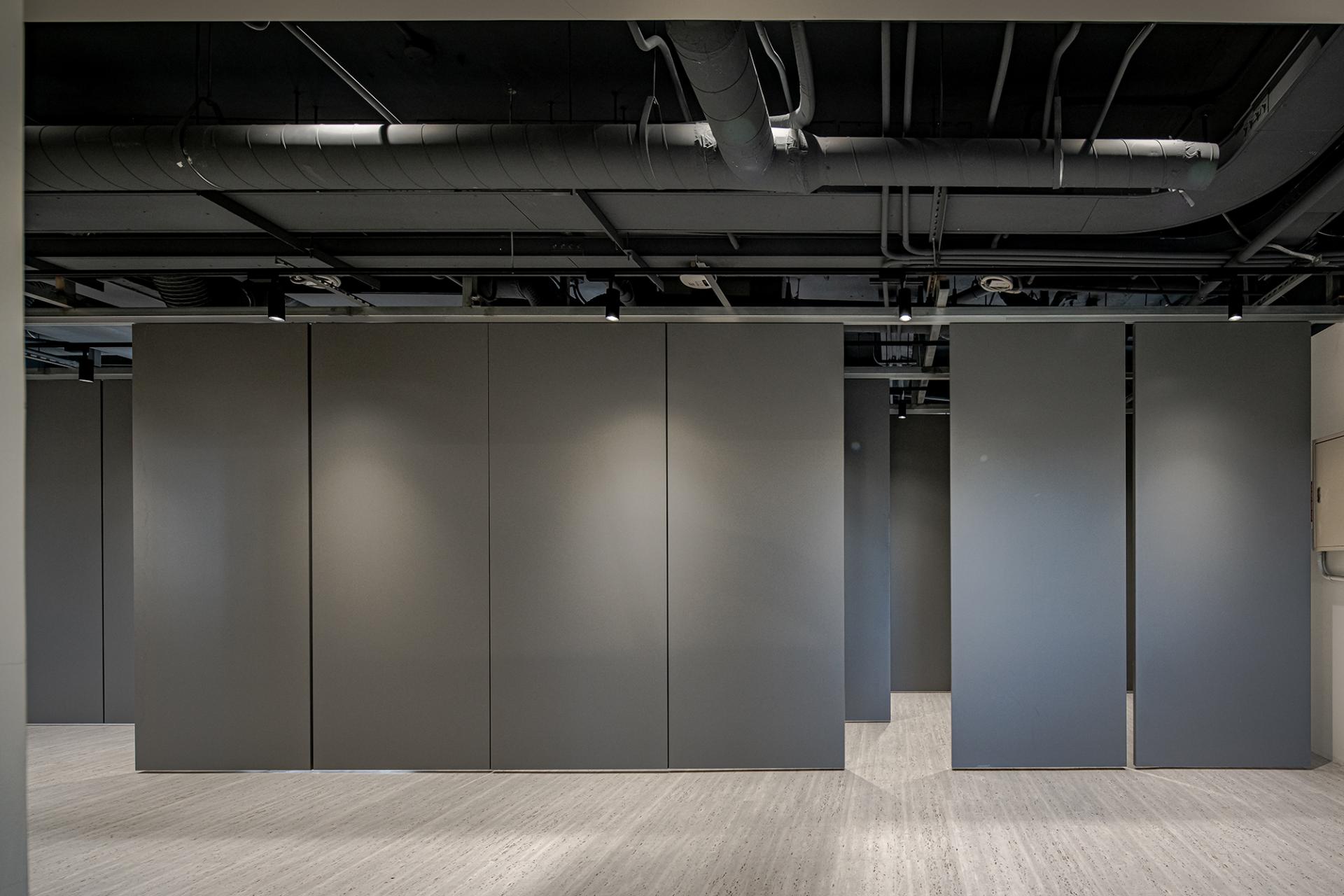
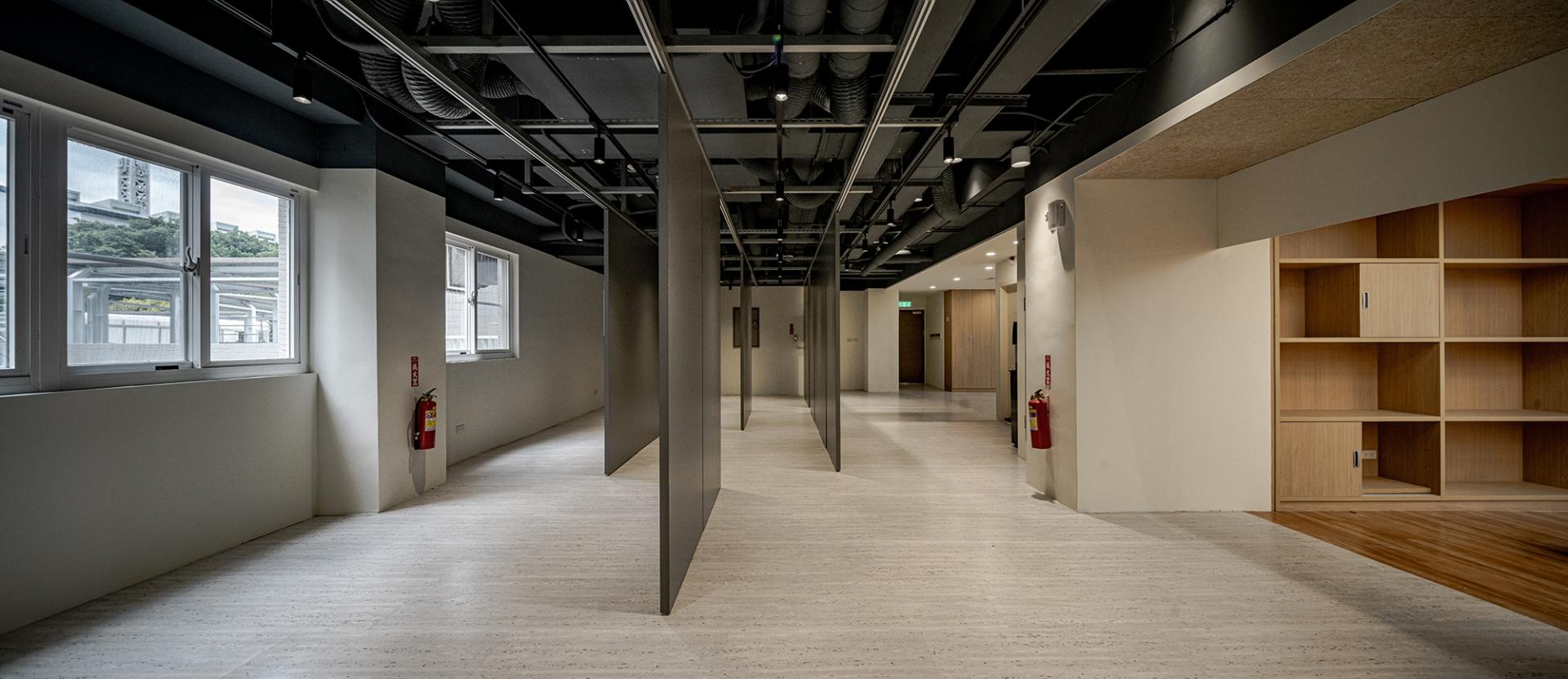
Exchange centers and learning pods feature modular, relocatable furnishing systems that enable fluid spatial reconfiguration to accommodate diverse programmatic requirements. Whether facilitating intimate group discourse, supporting solitary study, hosting curated exhibitions, conducting hands-on workshops, or accommodating social gatherings, these adaptable environments respond dynamically to evolving needs. This inherent flexibility liberates pedagogical formats from spatial constraints, fostering enhanced creativity and innovation in learning modalities.
Transcending dormitories as mere residential quarters, this project reconceptualizes space through an educational lens, synthesizing learning, social engagement, respite, and landscape into a transformative environment. Student-centered by design, it resonates with holistic education principles, leveraging integrated programming and shared cultural frameworks to catalyze interdisciplinary exchange, community interaction, and creative cultivation. The dormitory emerges as a campus landmark, reimagining traditional perceptions while fostering student belonging and establishing an innovative paradigm for university residential life.
Credits

Entrant
Haoran Yuan
Category
Architectural Design - Conceptual Design

Entrant
Kaohsiung American School
Category
Conceptual Design - New Category: Sports Performance Footwear Technology

Entrant
Houston city college
Category
Fashion Design - Student Design

Entrant
Shanghai Jinxin Qiyuan Culture and Technology Co., Ltd.
Category
Fashion Design - Jewelry